
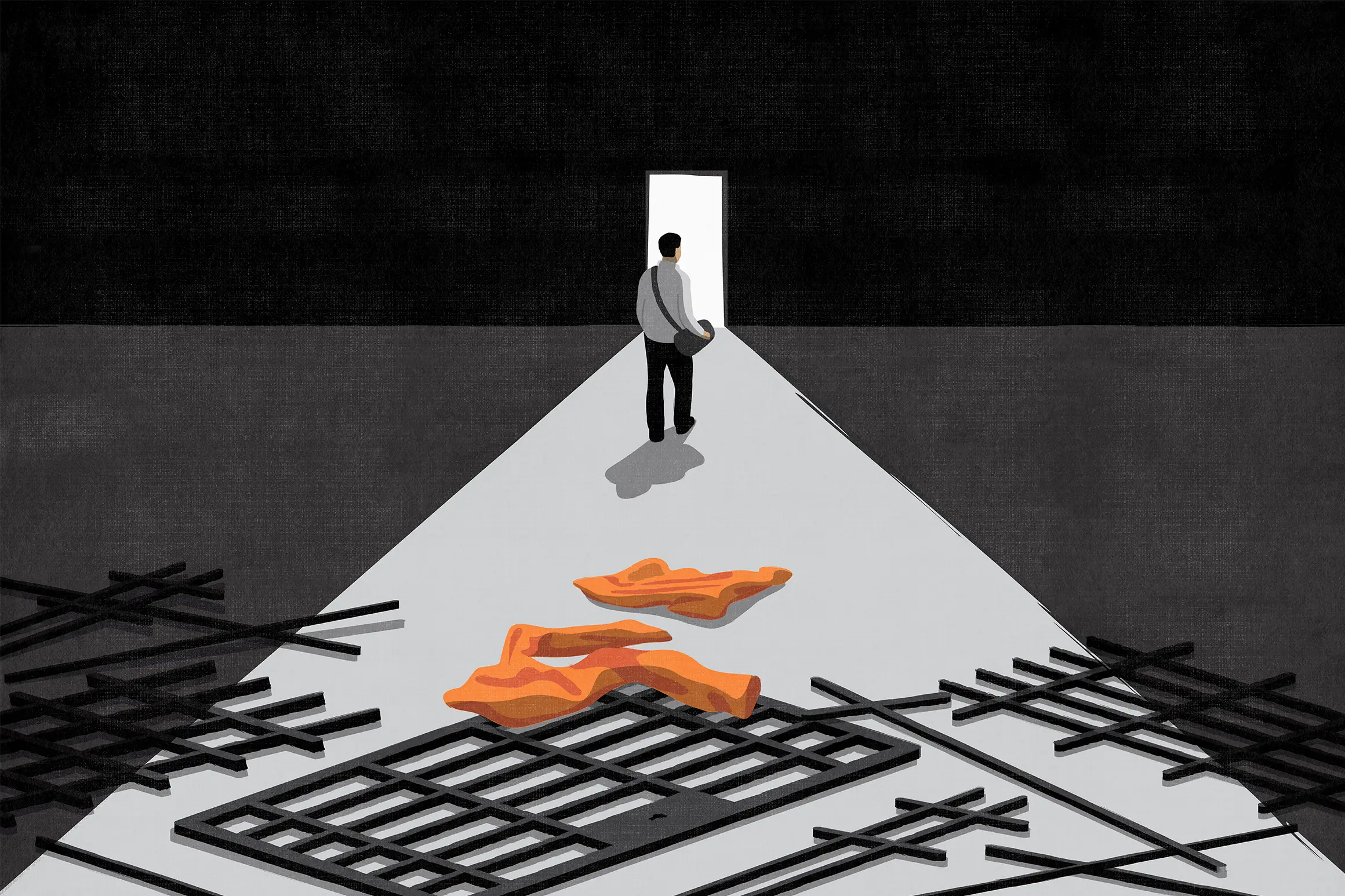

In our last blog we discussed the issues RSOs face when getting out of prison and ways they can reenter society more successfully. One vital aspect of this is reintegration, letting people get to know you so that when some become aware of your status on the registry they can see you as a human being, not a label. Coming home to your family is not exactly the same. With them, it is not a matter of them getting to know you. Rather, it is more a matter of them getting to know the person you have become.
When a person gets into trouble with the law, it is a traumatic experience for their loved ones, even more so if this trouble includes prison time. Further stress is added when there is a sex offense involved. When you come home, even if your family is loving and friendly towards you there is still trust to be rebuilt. Trust is earned. There is no way around that. So what do you do? You stay out of trouble, find a job if you are able to work, meet the registration requirements, do what you have to do if you are on probation and parole, and so on.
When a person gets into trouble with the law, it is a traumatic experience for their loved ones, even more so if this trouble includes prison time. Further stress is added when there is a sex offense involved. When you come home, even if your family is loving and friendly towards you there is still trust to be rebuilt. Trust is earned. There is no way around that. So what do you do? You stay out of trouble, find a job if you are able to work, meet the registration requirements, do what you have to do if you are on probation and parole, and so on.
Some of you may not be able to live with family for various reasons. Perhaps they have not forgiven you, or they may not trust you enough yet for them to be comfortable with you living there, or they cannot afford to help you, or it may even be that your victim was a family member. That last scenario is not unusual because most victims know or are related to their perpetrator. It could also be that one or more minors live with them and that you are legally restricted from being under the same roof. You will have to do whatever is necessary to find housing, even if it means going to a homeless shelter of some sort that will accept RSOs. The fact that you are making an effort to get back on your feet will make a positive impression on your family, as will the other actions stated previously.
It is natural to want family relations to return to normal quickly when you get out. Whether you are living with relatives or not, remember that it may take some time, perhaps even a long time, for you to rebuild enough trust with family members for things to return to normal. They also have to heal from what you did. As an RSO you will be periodically visited by sheriff’s deputies as they verify your residence. If you are on probation or parole your PO will stop by from time to time. Also, if you are on probation or parole there may be times you cannot stay at the house because visiting relatives may bring their children there. All of these things, your family has to deal with along with you. Give them time and grace.
And then there are family gatherings. Naturally, many of these occur around the holidays, especially Thanksgiving and Christmas. But they can obviously happen at other times, too. There might be relatives who for whatever reason do not know anything about your criminal history. Use great discretion in sharing that information. Then, too, you may have relatives who do know, and some of them might not like you. They may even hate you.
In these circumstances take great care in how you conduct yourself. A changed life speaks louder than words. Realize also that some family members might not ever accept you. As painful as it can be with some, let them go. Give them the freedom to dislike you. In most cases, if you strive to bring them back over to your side they will just double down on their resentment. Some may even be incensed enough to try getting you in trouble by making false accusations. You don’t want that because with you having a criminal record already you are vulnerable, and most especially if you are on probation or parole. Though you are completely innocent, who do you think people and the system are going to believe? Don’t give hateful family members the satisfaction of getting you cased up.
While you do not have to volunteer information if certain relatives do not know about your crime, and while you also have to use great discretion in sharing if they know nothing and have not asked, if a loved one has questions about where you have been or if they have heard things about you then do not lie. Calmly and, if at all possible in private, tell them the truth. If you lie to them about your past and they find out what really happened that is going to cause a lot of unneeded strife, not to mention distrust. You are trying to rebuild credibility, not damage it further.
Accountability is important. While you are entitled to a certain degree of privacy, your loved ones are going to want to be sure you are doing the right thing. That is especially true of any relatives you are living with. Of course, there are those who will abuse this and try to turn accountability into a series of interrogations and insinuations. In that case it is legitimate to show some anger. Let them know that you are willing to be accountable but not for them to abuse the privilege, that you are not going to be their doormat.
Some family members are flat-out toxic. They never let you live down their past or are otherwise always stirring up drama. As a registered citizen getting your life back on track, you do not need the stress. If such persons do not respect the boundaries that you set, you will have to get away from them. That could mean staying with more accepting loved ones, or with friends if possible or permissible, or getting your own place to live in sooner than you expected, or maybe even going to a homeless shelter temporarily if you are able. While these outcomes are inconvenient, nothing is worth you potentially getting into trouble again. This does not just include false accusations. It could come about when you are at your wit’s end with a toxic family member and you go ballistic and physically attack them. No matter how much they provoke you, they are not worth the price of your freedom. If you have to get away from them to keep from doing something like that, then leave as soon as possible.
We speak often from a Christian perspective, but the principles we set forth can work for you whether you are a Christian or not. But what if you are a Christian, having either been saved in jail or prison or having rededicated your life to Jesus Christ after getting into trouble? Well, you will face another issue. Anyone who has had a religious conversion or rededication under these circumstances, regardless of your religion, will be accused by some of having jailhouse religion. Certainly some of us who are Christians have been looked at that way by skeptical family members.
Just as in other aspects of regaining trust, so it will also take time for your family to be convinced that you have become an authentic Christian. Since the lost are quick to criticize any mistake as hypocrisy, no matter how slight, you must be prepared for that. Don’t let their criticism define you; let the Lord define you. No matter what anyone—family or otherwise—says about you, if you are born again then you really are a new person. If anyone in your family is a Christian but is hateful toward you, they are in need of serious self-examination. It is one thing to be skeptical. It is quite another to be mean-spirited yet at the same time be naming the name of Jesus. Likewise, if you lose your temper and argue or whatever, that is not going to help them believe that you are born again. There is a time to be assertive, a time to stand down, and a time to walk away. Pray that God will deal with the hearts of your relatives that they would come to see the very real change in you.
Just as a good mindset is essential in dealing with all other aspects of returning to society, so it is also in returning to your family. You are going to have to develop some mental and emotional toughness if you don’t already have it. While there are a few fortunate individuals who may escape the cruelty of certain relatives, most of us don’t. It is going to hurt when you are attacked with vicious words, slander, or outright lies. It will be intensely aggravating if you have to deal with family members who like to throw your past back up in your face. There are people who think that if you are successfully moving on with your life then you must have no remorse for what you did. Sadly, some RSOs have these kinds of creatures in their family tree. If you are not constantly sad, sorrowful, struggling, and groveling before them, they have no use for you. These also are those toxic sorts of family members as noted earlier that you should kick to the curb and leave behind. They don’t deserve to have you in their lives. Never put who you are in the hands of someone else to define. If you do, you will spend the rest of your life wasting time trying to be a people-pleaser and sucking up to hateful relatives who will never accept you.
What if you don’t have a family to come back to? Death may have taken your last living relatives while you were in prison, or you may have burned your bridges with your family and they have disowned you. That is a hard situation to be in, but not an impossible one. Coming out of prison you will have to deal with homelessness unless there is someone else, perhaps a friend, that you can stay with. You could find yourself searching for a homeless shelter. Be prepared to do more looking if they will not house convicted sex offenders or if they want a lot of money up front. Churches, homeless shelters, and other charitable institutions and organizations may be able to help you or else direct you to others so that you can get the help you need. The more you network, the more likely you will be to find help.
Do not beat yourself up for loved ones dying while you were away. It happened, it’s over with, and there is nothing you can do about it. Likewise don’t hate yourself for alienating your family. Remember, they are free to deal with you as they please, even if they are wrong. What you must do as an RSO returning to society is get your life back on track and not give up. You may only be one person, but every RSO who succeeds after getting out is one more individual whose changed life makes a good impression on society at large. Not only that, but you may eventually win back the trust of those who disowned you. Even if you do not, your changed life makes a difference. Family or no family, you will be a person worthy of inclusion in the lives of others. If you are a Christian, your good deeds will not go unrewarded by your Father in heaven.